


Surveillance Cameras vs Electric Fence: Which Security System Is Best for Your Property?
Introduction
Property security has become a top priority for homeowners, businesses, farms, and institutions around the world. With rising concerns about theft, trespassing, and vandalism, choosing the right security system is essential. Two of the most common and effective security solutions are surveillance cameras and electric fences.
While both aim to protect property, they work in very different ways. Surveillance cameras focus on monitoring and recording activity, while electric fences act as a physical barrier that actively prevents intrusion. This article provides a detailed comparison of surveillance cameras vs electric fences, covering their advantages, disadvantages, costs, legal considerations, and best use cases to help you make an informed decision.
What Are Surveillance Cameras?
Surveillance cameras, also known as CCTV (Closed-Circuit Television) cameras, are devices used to monitor, record, and sometimes transmit live video of a specific area. They are widely used in homes, offices, schools, streets, and commercial buildings.
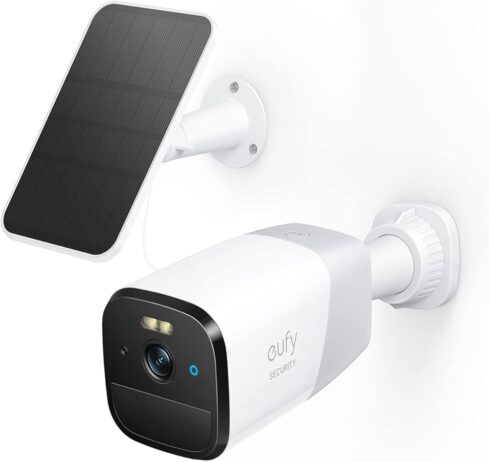
How Surveillance Cameras Work
Surveillance cameras capture video footage through a lens and store it locally (on DVR/NVR systems) or in the cloud. Many modern systems allow users to monitor their property remotely using smartphones or computers. Advanced systems may include features such as motion detection, night vision, audio recording, and AI-based facial recognition.
Advantages of Surveillance Cameras
1. Visual Monitoring and Evidence
One of the biggest advantages of surveillance cameras is the ability to record visual evidence. In case of theft or damage, recorded footage can help identify suspects and support legal action.
2. Crime Deterrence
Visible cameras can discourage potential intruders. Many criminals avoid properties where they know they are being recorded.
3. Remote Access and Alerts
Modern surveillance systems allow real-time monitoring and instant alerts when motion is detected, increasing response speed.
4. Versatility
Cameras can be installed indoors and outdoors and are suitable for both small homes and large commercial properties.
5. Cost-Effective Options
There are surveillance systems available for different budgets, from basic cameras to advanced smart security systems.
Disadvantages of Surveillance Cameras
- Do not physically stop intruders
- Depend on electricity and internet connectivity
- Can be vandalized or disabled
- Privacy laws may limit camera placement
Despite these drawbacks, surveillance cameras remain one of the most popular security solutions worldwide.
What Is an Electric Fence?
An electric fence is a security barrier that delivers a non-lethal electric shock when touched. It is designed to prevent unauthorized access by creating a strong psychological and physical deterrent.

How Electric Fences Work
Electric fences use an energizer that sends high-voltage pulses through fence wires. When a person or animal touches the fence, the circuit is completed, resulting in a short but painful shock. The shock is intended to deter, not injure.
Advantages of Electric Fences
1. Strong Physical Deterrent
Electric fences actively prevent trespassing, unlike cameras that only record events.
2. Immediate Response
The electric shock provides instant feedback, discouraging further attempts to cross the boundary.
3. Effective Perimeter Security
Electric fences are especially effective for large areas such as farms, warehouses, and industrial zones.
4. Works in Remote Locations
Electric fences can function without internet access and are suitable for rural or isolated properties.
Disadvantages of Electric Fences
- No video or visual evidence
- Higher installation and maintenance costs
- Legal restrictions in many countries
- Safety risks for children, pets, and wildlife
- Requires warning signs and regular inspections
Electric fences are powerful but must be used responsibly and legally.
Surveillance Cameras vs Electric Fence: Key Differences
| Feature | Surveillance Cameras | Electric Fence |
|---|---|---|
| Primary Function | Monitoring & recording | Physical deterrence |
| Stops Intruders | No | Yes |
| Provides Evidence | Yes | No |
| Safety Risk | Very low | Moderate |
| Legal Restrictions | Low to medium | Medium to high |
| Installation Cost | Low to medium | Medium to high |
| Maintenance | Low | Medium |
Cost Comparison
Surveillance Cameras
The cost of surveillance cameras varies depending on the system type. Basic systems can be affordable, while advanced smart systems with cloud storage and AI features are more expensive. Maintenance costs are generally low.
Electric Fence
Electric fences usually have higher upfront costs due to materials, energizers, and professional installation. Ongoing maintenance is also required to ensure proper operation and safety compliance.

Legal and Safety Considerations
Surveillance Cameras
Most countries allow surveillance cameras, but privacy laws may restrict recording public spaces or neighbors’ property. It is important to follow local regulations regarding camera placement and data storage.
Electric Fences
Electric fences are subject to stricter regulations. Many regions require:
- Warning signs
- Voltage limits
- Professional installation
- Regular inspections
Failure to comply with laws can result in fines or legal liability.
Best Use Cases
When to Choose Surveillance Cameras
- Residential homes
- Apartments and offices
- Schools and public buildings
- Properties where monitoring and evidence are priorities
When to Choose an Electric Fence
- Farms and agricultural land
- Warehouses and factories
- Remote or high-risk locations
- Properties requiring strong perimeter protection
Using Both Systems Together
For maximum security, many property owners combine surveillance cameras and electric fences. This layered approach provides:
- Physical prevention through the fence
- Monitoring and evidence through cameras
- Faster response to security incidents
This combination is often used in high-security facilities and large estates.
Which Security System Is Better?
There is no single “best” solution. The right choice depends on:
- Property size and location
- Budget
- Presence of children or animals
- Legal requirements
- Security level needed
For most homes, surveillance cameras are sufficient and safer. For large or remote properties, electric fences offer stronger protection. Combining both systems provides the highest level of security.
Conclusion
The debate between surveillance cameras vs electric fence comes down to monitoring versus prevention. Surveillance cameras excel at observation, documentation, and remote access, while electric fences provide a strong physical barrier against intrusion. Each system has its strengths and limitations, and the best choice depends on your specific security needs.
By understanding the differences, costs, and legal considerations, you can select a security solution .
