


CCTV System: The Complete Guide to Modern Video Surveillance:
Introduction
In today’s security-conscious world, Closed-Circuit Television (CCTV) systems have become an essential part of both residential and commercial safety. From monitoring property to deterring criminal activity, CCTV technology continues to evolve with advancements in artificial intelligence, high-definition imaging, and remote monitoring capabilities.
This article explores how CCTV systems work, their types, benefits, and best practices for choosing and maintaining a reliable surveillance solution.

What Is a CCTV System?
A CCTV (Closed-Circuit Television) system is a network of cameras and recording devices designed to transmit video signals within a limited set of monitors or storage devices. Unlike broadcast television, CCTV operates on a closed circuit, meaning that only authorized users can access the video feed.
CCTV systems are primarily used for:
- Security monitoring in homes, offices, and public spaces
- Crime prevention and evidence collection
- Employee safety and productivity monitoring
- Traffic and crowd management
How Does a CCTV System Work?
A typical CCTV setup consists of four main components:
- Cameras – Capture live footage.
- Cables or Network Connections – Transmit video signals.
- Recording Devices (DVR/NVR) – Store and manage video data.
- Monitors or Mobile Apps – Display live or recorded footage.
CCTV systems can be analog, digital, or IP-based:
- Analog systems send video via coaxial cables to DVRs.
- Digital/IP systems transmit footage through an internet connection to a Network Video Recorder (NVR).
Modern systems often integrate motion detection, night vision, and AI-based analytics such as facial recognition or object tracking.
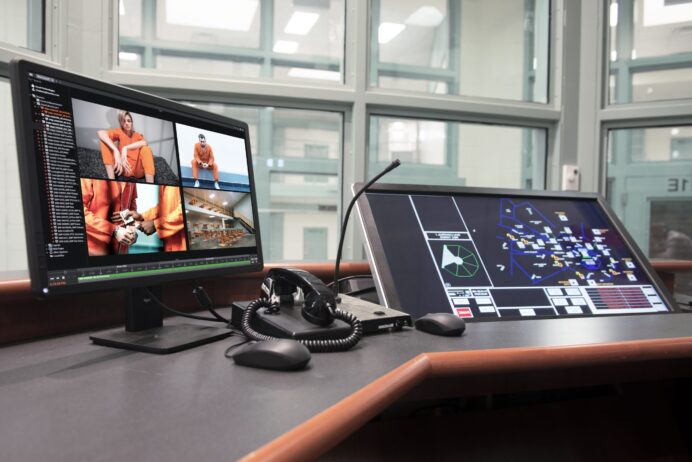
Types of CCTV Cameras :-
Choosing the right type of camera depends on the purpose, location, and lighting conditions. The main types include:
- Dome Cameras
- Ideal for indoor surveillance.
- Compact, discreet, and vandal-resistant.
- Bullet Cameras
- Designed for outdoor use.
- Long-range and weatherproof.
- PTZ Cameras (Pan-Tilt-Zoom)
- Offer remote directional and zoom control.
- Suitable for monitoring large areas such as parking lots.
- Wireless Cameras
- Connect via Wi-Fi, making installation easier.
- Often used in homes and small offices.
- Thermal and Infrared Cameras
- Used in low-light or no-light conditions.
- Detect heat signatures for advanced security applications.
Benefits of CCTV Systems :
1. Crime Deterrence
Visible cameras discourage theft, vandalism, and unauthorized access. Potential intruders are less likely to target properties with visible surveillance systems.
2. Evidence Collection
CCTV footage serves as critical evidence in criminal investigations and legal cases, offering timestamped visual proof of incidents.
3. Remote Monitoring
With modern IP cameras, users can access live footage from anywhere using smartphones or computers, enhancing convenience and control.
4. Increased Employee and Customer Safety
In businesses, CCTV systems monitor activities, reduce workplace violence, and ensure compliance with safety protocols.
5. Cost-Effective Security
Compared to hiring security guards, CCTV offers continuous 24/7 monitoring with minimal ongoing costs.
CCTV System Installation Tips :
Proper installation determines how effective your surveillance system will be. Here are key tips:
- Conduct a security assessment before installation.
- Position cameras strategically to cover entry points, blind spots, and high-risk areas.
- Use weatherproof housings for outdoor cameras.
- Ensure proper lighting for clear footage at night.
- Secure network connections with encryption and strong passwords.
Integration with Smart Home and Business Systems :
Modern CCTV systems can integrate with smart home automation, alarm systems, and access control solutions. This integration allows automatic recording during motion detection or alarm triggers and provides real-time alerts via mobile notifications.
Businesses can connect CCTV to POS (Point of Sale) systems for transaction monitoring or integrate analytics tools for customer behavior tracking.
AI and Cloud-Based CCTV Solutions :
Artificial intelligence has revolutionized CCTV capabilities:
- Facial recognition for identifying known individuals.
- Vehicle detection for parking management.
- Behavioral analytics for detecting suspicious activity.
Meanwhile, cloud-based CCTV systems eliminate the need for on-site storage, offering scalable data backup, remote access, and enhanced cybersecurity.
Maintenance and Troubleshooting :
To maintain optimal performance:
- Regularly clean lenses and check camera angles.
- Update firmware to fix security vulnerabilities.
- Back up recordings regularly.
- Inspect cables and power supplies for wear or damage.
A well-maintained CCTV system ensures reliability and longevity.
How to Choose the Right CCTV System :
When selecting a CCTV system, consider the following factors:
- Purpose – Residential, commercial, or industrial use.
- Camera Resolution – Choose HD or 4K for clearer images.
- Storage Capacity – Select a DVR/NVR with enough storage for your retention period.
- Scalability – Ensure the system can grow with your needs.
- Budget – Balance features with affordability.
Leading CCTV brands like Hikvision, Dahua, CP Plus, and Uniview offer a wide range of solutions for every security requirement.
Future of CCTV Technology :
The future of CCTV systems lies in AI automation, edge computing, and cloud analytics. Cameras are becoming smarter, capable of distinguishing between people, animals, and vehicles, thereby reducing false alarms. Integration with IoT devices also allows for smarter, data-driven security management.
