In today’s rapidly evolving world, technology has become deeply integrated into our daily lives. One of the most exciting innovations shaping how we live is the smart home system. From controlling your lights with a smartphone to securing your property with AI-powered cameras, home automation is redefining comfort, safety, and energy efficiency.
This article explores what a smart home system is, how it works, its key components, advantages, challenges, and future potential — helping you understand why it’s becoming a cornerstone of modern living.
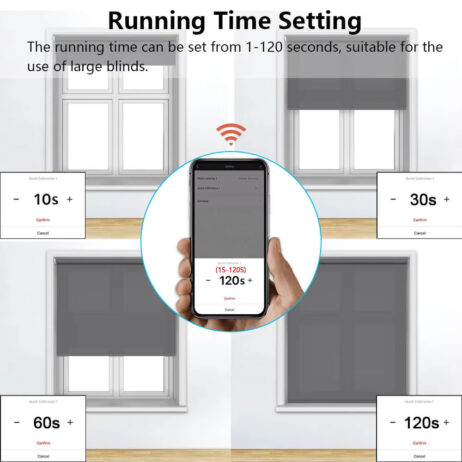
Running Time Setting
🔍 What Is a Smart Home System?
A smart home system (or home automation system) is a network of connected devices and appliances that communicate with each other through the internet. It allows homeowners to monitor, control, and automate various functions—such as lighting, climate, entertainment, and security—using a smartphone, tablet, or voice commands.
The core idea is simple: make your home more intelligent, responsive, and efficient by connecting devices through the Internet of Things (IoT).
For example:
You can turn on your air conditioner before arriving home.
You can automatically lock your doors when leaving.
You can receive real-time alerts if motion is detected near your house.
⚙️ How Does a Smart Home System Work?
A smart home system operates through a combination of smart devices, connectivity protocols, and centralized control platforms. Here’s how it works step by step:
Smart Devices (like cameras, lights, thermostats, or locks) connect to the home Wi-Fi or specific smart hubs.
These devices send data to the cloud or local hub.
The system processes commands from the user—through an app or voice assistant—and sends signals back to the devices.
The device executes the command instantly (e.g., turning on a light or adjusting temperature).
This seamless communication creates an automated environment where devices “talk” to each other without constant human input.
🧩 Key Components of a Smart Home System
A well-designed smart home setup includes several essential components that work together efficiently:
1. Smart Devices
Smart devices are the building blocks of every home automation system. They come with sensors, connectivity, and control mechanisms.
Examples include:
Smart lights – change brightness or color remotely.
Smart thermostats – adjust temperature based on your habits.
Smart locks – offer keyless entry and real-time alerts.
Smart plugs – control any connected appliance.
Smart cameras – provide live surveillance via mobile apps.
2. Central Hub or Controller
This is the brain of the system, connecting all devices. Some popular hubs use protocols like Zigbee, Z-Wave, or Wi-Fi. Examples include Amazon Echo, Google Nest Hub, and Samsung SmartThings.
3. Internet Connectivity
A strong and secure Wi-Fi connection is vital. It ensures devices stay connected and responsive to remote commands.
4. Mobile App or Dashboard
The smart home app is the main interface for users. It displays device status, sends notifications, and allows scheduling or automation.
5. Voice Assistants
Voice control makes smart homes even more intuitive. Assistants like Amazon Alexa, Google Assistant, and Apple Siri enable hands-free management of your home. Example:
“Alexa, turn off the kitchen lights.”
Real-time weather response.
🔒 Smart Home Security Systems
Security is one of the most popular reasons people invest in smart home systems. Modern solutions go far beyond simple alarms — they offer real-time video streaming, motion detection, and AI-based threat analysis.
Popular security features include:
Smart Doorbells with video cameras and two-way communication.
Motion Sensors that trigger alarms or lights.
Smart Locks for remote control and access logs.
CCTV Integration with cloud storage for 24/7 surveillance.
Smoke and Gas Detectors that send instant alerts to your phone.
By combining these tools, you can monitor your property anytime, anywhere, ensuring total peace of mind.
💡 Smart Lighting and Energy Efficiency
One of the easiest and most cost-effective ways to start building a smart home system is through smart lighting. With smart bulbs and switches, you can:
Turn lights on/off remotely.
Adjust brightness and color.
Schedule lighting based on time or occupancy.
Smart lighting systems can also integrate with motion sensors to turn off automatically when no one is in the room, significantly reducing electricity bills.
Smart thermostats like Google Nest or Ecobee go a step further—learning your daily routines and adjusting heating or cooling for maximum energy efficiency.
🌿 Benefits of a Smart Home System
1. Convenience and Comfort
Control every device in your home through a single app or voice assistant. Whether you’re at home or away, your smart system adapts to your lifestyle.
2. Enhanced Security
Smart cameras, locks, and sensors give you real-time awareness and control over your home’s safety.
3. Energy Efficiency
Automated lighting, temperature control, and energy monitoring reduce waste and lower utility costs.
4. Customization and Automation
You can create personalized “scenes” or “routines.” For example:
“Good Morning” scene: lights on, curtains open, and coffee machine starts.
“Good Night” scene: doors locked, lights off, and thermostat lowered.
5. Accessibility for Elderly and Disabled Users
Voice commands and automation make smart homes particularly valuable for people with limited mobility.
6. Increased Property Value
Smart homes are in high demand, and properties equipped with modern home automation systems often sell faster and at higher prices.
🔌 Examples of Popular Smart Home Ecosystems
1. Google Home / Nest
Google’s ecosystem includes smart displays, thermostats, doorbells, and cameras—all controlled via the Google Home app and Google Assistant.
2. Amazon Alexa
Amazon’s Alexa-based smart home supports thousands of devices from different brands, offering flexibility and seamless integration.
3. Apple HomeKit
Apple focuses on privacy and encryption, making HomeKit one of the most secure home automation platforms.
4. Samsung SmartThings
A powerful hub-based ecosystem that supports both Zigbee and Z-Wave devices for wide compatibility.
5. Tuya Smart / Smart Life
Popular in Asia and emerging markets, Tuya provides a versatile cloud platform that supports hundreds of device brands.
🚀 Real-Life Smart Home Scenarios
– Smart Lighting Automation
Lights turn on when you enter the room and off when you leave.
– Smart Thermostat
Learns your preferences and automatically adjusts the temperature.
– Smart Curtains
Open with sunrise and close at sunset for energy saving.
– Smart Kitchen
Your refrigerator tracks grocery levels, while the oven sets the perfect temperature automatically.
– Smart Irrigation System
Waters your garden based on real-time weather conditions.
⚠️ Challenges of Smart Home Systems
Despite the convenience, smart home technology isn’t without challenges:
High Initial Cost – Setting up a full system can be expensive.
Compatibility Issues – Not all devices work well across different ecosystems.
Cybersecurity Risks – Since smart devices are connected to the internet, they can be vulnerable to hacking if not properly secured.
Dependency on Internet – Most systems require an active connection to function.
Privacy Concerns – Data collected from smart devices may be shared with third parties if users don’t adjust privacy settings.
With responsible usage and proper configuration, most of these issues can be minimized.
🔮 The Future of Smart Home Systems
The future of smart home technology looks incredibly promising. Experts predict that by 2030, over 600 million households worldwide will be equipped with smart home devices.
Emerging trends include:
AI Integration: Homes that learn your habits and predict your needs.
5G Connectivity: Faster and more reliable device communication.
Sustainability: Focus on energy conservation and green technologies.
Interoperability: Universal standards allowing all brands to work together seamlessly.
Imagine a future where your home truly understands you:
It plays your favorite music when you wake up.
It prepares your coffee before you step into the kitchen.
It locks the doors automatically when you leave.
That’s not science fiction anymore—it’s the reality of smart living powered by automation and artificial intelligence.
🧭 Conclusion
A smart home system is no longer a futuristic concept—it’s a practical, accessible, and valuable upgrade for any modern household. By combining convenience, energy efficiency, and security, home automation is reshaping the way we live.
Whether you’re a tech enthusiast or someone seeking more comfort and control, starting your journey toward a smart home is easier than ever. Begin with small steps—like smart lighting or plugs—and expand as you go.