


Queue Management System: The Smart Way to Improve Customer Experience and Operational Efficiency
In today’s fast-paced world, customers expect speed, convenience, and efficiency. Whether they’re at a bank, hospital, government office, or retail store, waiting in long queues can be frustrating. This is where a Queue Management System (QMS) comes into play. It’s not just a tool to manage lines — it’s a complete solution that enhances customer satisfaction, optimizes staff performance, and streamlines operations.
In this article, we’ll explore what a queue management system is, how it works, its benefits, types, features, and why every modern business should implement one.
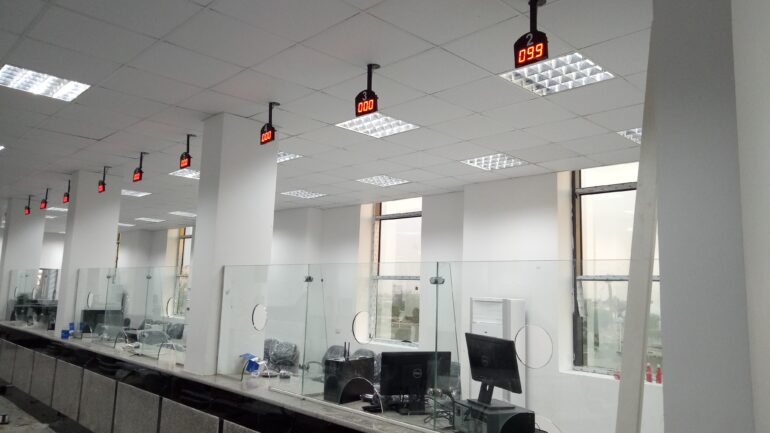
What is a customer resource management (QMS)?
A Queue Management System is a digital solution designed to manage customer flow and reduce waiting times in service environments. It allows organizations to control customer queues efficiently through automation and smart analytics.
Instead of standing in physical lines, customers can take a ticket or register digitally, then wait comfortably until their turn is called. The system tracks each customer’s position, service time, and overall journey — creating a smoother, more organized experience.
In simple terms, a queue management system helps businesses handle customer traffic intelligently, ensuring fairness, order, and convenience.
How Does a Queue Management System Work?
Although queue management systems vary in complexity, most follow a similar workflow:
- Customer Check-in
Customers check in upon arrival through a self-service kiosk, mobile app, or reception desk. They can choose the service they need, such as “account opening,” “consultation,” or “payment.” - Virtual Queue Creation
Once registered, the customer is added to a virtual queue. The system automatically assigns a queue number or digital ticket. - Queue Monitoring and Notifications
Customers can track their queue status on digital screens, via SMS, or through a mobile app. They receive notifications when it’s almost their turn. - Service Allocation
When it’s time, the system directs the customer to an available counter or service agent. Staff are notified of the next customer and service type. - Analytics and Reporting
The QMS collects data such as average wait time, service time, customer feedback, and staff performance. Managers can use this data to identify bottlenecks and improve efficiency.
Types of Queue Management Systems
Not all queues are the same, so different environments require different solutions. Here are the main types of QMS:
1. Linear Queue Systems
These manage physical queues in a first-come, first-served order. They’re ideal for supermarkets, airports, or retail stores.
2. Virtual Queue Systems
Customers join the queue digitally and wait remotely. Perfect for banks, clinics, and government offices where reducing crowding is crucial.
3. Appointment-Based Systems
These systems allow customers to book a specific time slot online. This reduces on-site waiting and helps businesses predict visitor flow.
4. Mobile Queue Systems
Using mobile apps, customers can check in, monitor their status, and receive updates in real-time. This approach enhances convenience and engagement.
5. Integrated Queue Management Systems
These combine queue handling with CRM, digital signage, and feedback tools. They provide a holistic view of customer journeys and operations.
Key Features of a Queue Management System
An effective QMS includes a range of features that optimize both the customer and staff experience:
- Self-Service Kiosks: Allow customers to register or select services independently.
- Digital Signage: Displays queue numbers, wait times, and service counters.
- SMS & Mobile Notifications: Keeps customers informed without standing in line.
- Data Analytics: Tracks KPIs like waiting time, service time, and satisfaction rates.
- Multi-Branch Management: Centralized control across multiple locations.
- Integration with CRM or ERP Systems: Enables personalized service based on customer history.
- Feedback Collection: Gathers customer opinions for continuous improvement.
- AI and Predictive Insights: Forecasts peak hours and optimizes staffing levels.
Benefits of Implementing a Queue Management System
1. Reduced Waiting Time
By automating and organizing queues, a QMS significantly cuts down on physical waiting times. Customers can wait comfortably and focus on other tasks until their turn arrives.
2. Improved Customer Experience
A well-managed queue gives customers a sense of control and transparency. They feel valued when their time is respected — leading to higher satisfaction and loyalty.
3. Increased Staff Productivity
The system allocates tasks efficiently and reduces confusion. Employees can focus on delivering quality service instead of manually managing queues.
4. Real-Time Monitoring
Managers can monitor service counters and queues in real time, enabling quick decisions during busy hours.
5. Data-Driven Decisions
QMS provides valuable insights through analytics. Businesses can identify peak times, evaluate staff performance, and make informed decisions.
6. Enhanced Brand Image
A smooth, efficient service environment reflects professionalism and technological advancement. This strengthens the organization’s reputation and brand trust.
7. Cost Savings
By optimizing resources and minimizing customer drop-offs, QMS indirectly reduces operational costs and improves profitability.
Industries That Benefit from Queue Management Systems
Queue management systems are versatile and can be used in nearly every industry that deals with customer flow:
- Healthcare: Manage patient appointments, reduce crowding, and enhance patient satisfaction.
- Banking and Finance: Streamline teller services, improve compliance, and provide personalized service.
- Government Services: Simplify citizen services like licensing, passport renewals, and bill payments.
- Retail: Manage peak hours, optimize checkout lines, and improve the shopping experience.
- Education: Organize student registration, fee payments, and administrative services.
- Telecom and Utilities: Enhance service centers by managing customer requests efficiently.
- Airports and Transport: Reduce congestion and improve passenger movement through terminals.
Virtual Queue Management: The Future of Smart Service
The COVID-19 pandemic accelerated the shift toward virtual queue systems. Today, businesses are prioritizing contactless, digital-first experiences. Customers can now join queues remotely, receive notifications on their phones, and even reschedule appointments — all without stepping foot in the facility.
Virtual queue systems also integrate with AI-powered analytics and IoT devices, providing real-time data visualization, smart forecasting, and seamless automation.
Choosing the Right management time management
When selecting a QMS for your organization, consider these key factors:
- Scalability: Ensure the system can grow with your business and handle multiple branches or service types.
- Customization: The system should adapt to your workflow and branding.
- Integration Capability: Choose software that connects easily with your CRM, ERP, or ticketing platforms.
- User-Friendly Interface: Staff and customers should find it intuitive and easy to use.
- Analytics & Reporting Tools: Opt for solutions that provide deep insights and exportable reports.
- Cloud vs. On-Premise: Cloud-based systems offer remote access and easier maintenance.
- Support & Training: Reliable vendor support and training are essential for smooth adoption.
Top Trends in Queue Management Technology
As digital transformation accelerates, queue management is evolving beyond simple ticketing. Here are the latest trends shaping the industry:
- AI-Powered Predictive Queuing: Systems predict customer volume and allocate staff automatically.
- Omnichannel Integration: Customers can queue through websites, apps, or kiosks.
- Facial Recognition and Biometrics: Enhances security and personalization.
- Cloud-Based Dashboards: Offer remote management and centralized control.
- Smart IoT Devices: Track real-time occupancy and waiting times.
- Customer Feedback Automation: Instant post-service surveys via SMS or email.
Conclusion
A Queue Management System is no longer a luxury — it’s a necessity for businesses aiming to deliver seamless customer experiences. From reducing waiting times to empowering managers with data-driven insights, QMS solutions create a win-win situation for both customers and organizations.
Whether you run a hospital, retail chain, or government office, implementing a smart queue management system can dramatically improve satisfaction, efficiency, and brand reputation. As technology continues to evolve, embracing digital queue management is the smartest step toward a more organized and customer-centric future.
